
 Buy Crypto
- Markets
 Futures
- Spot
- Copy Trade
- Earn
- More
Former Meme Coin ORE Makes a Comeback: New Economic Model Launched, with Monthly Gains of Over 30x

Original Article Title: "Former DeFi Gem ORE Makes a Comeback, Surging 30x in a Single Month This Time"
Original Article Author: Nicky, Foresight News
In 2024, ORE initially emerged as the Solana Renaissance hackathon champion, and its usage of a proof-of-work mechanism had previously caused network congestion on Solana due to high transaction volume.
The once-silent Solana ecosystem project ORE has returned to the market spotlight after nearly a year of dormancy. This PoW mining protocol, once jokingly referred to as "Solana clogger," has made a comeback with a newly upgraded protocol. Not only has it driven the token price surged from around $10 to over $600 in a month, but it has also ranked as the second-highest protocol earner on the Solana network, with a daily protocol revenue of over $1 million, second only to Pump.fun. This growth was predominantly achieved within DEXs.
ORE was created by an anonymous developer known as Hardhat Chad, whose identity model follows the Bitcoin Satoshi Nakamoto tradition. In the early stages of the project, Hardhat Chad single-handedly developed ORE V1. Currently, the team includes members like Neil Shahani responsible for project development and community communication.
As the project progressed, ORE established Regolith Labs as its formal development entity.
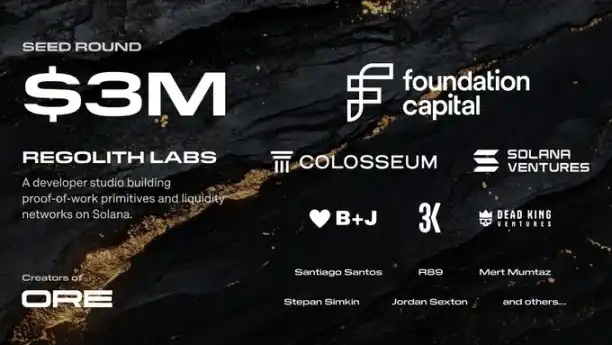
In September 2024, the development team behind ORE, Regolith Labs, completed a $3 million seed funding round led by Foundation Capital, with participation from Solana Ventures. This funding was primarily used for team expansion and technical development.
Subsequently, the project team launched the V2 version. However, the early V2 version failed to fully address the incentive misalignment issue, resulting in low mining rewards and a prolonged slump in ORE's price.
After a year of exploration, the team recognized the fundamental value loss issue in traditional PoW and decided to undergo a comprehensive overhaul. On October 22, 2025, ORE officially released a new announcement, stating that after the redesign, it could accumulate protocol revenue, achieve a sustainable tokenomics, and accelerate the mission of creating a Solana-native value store.
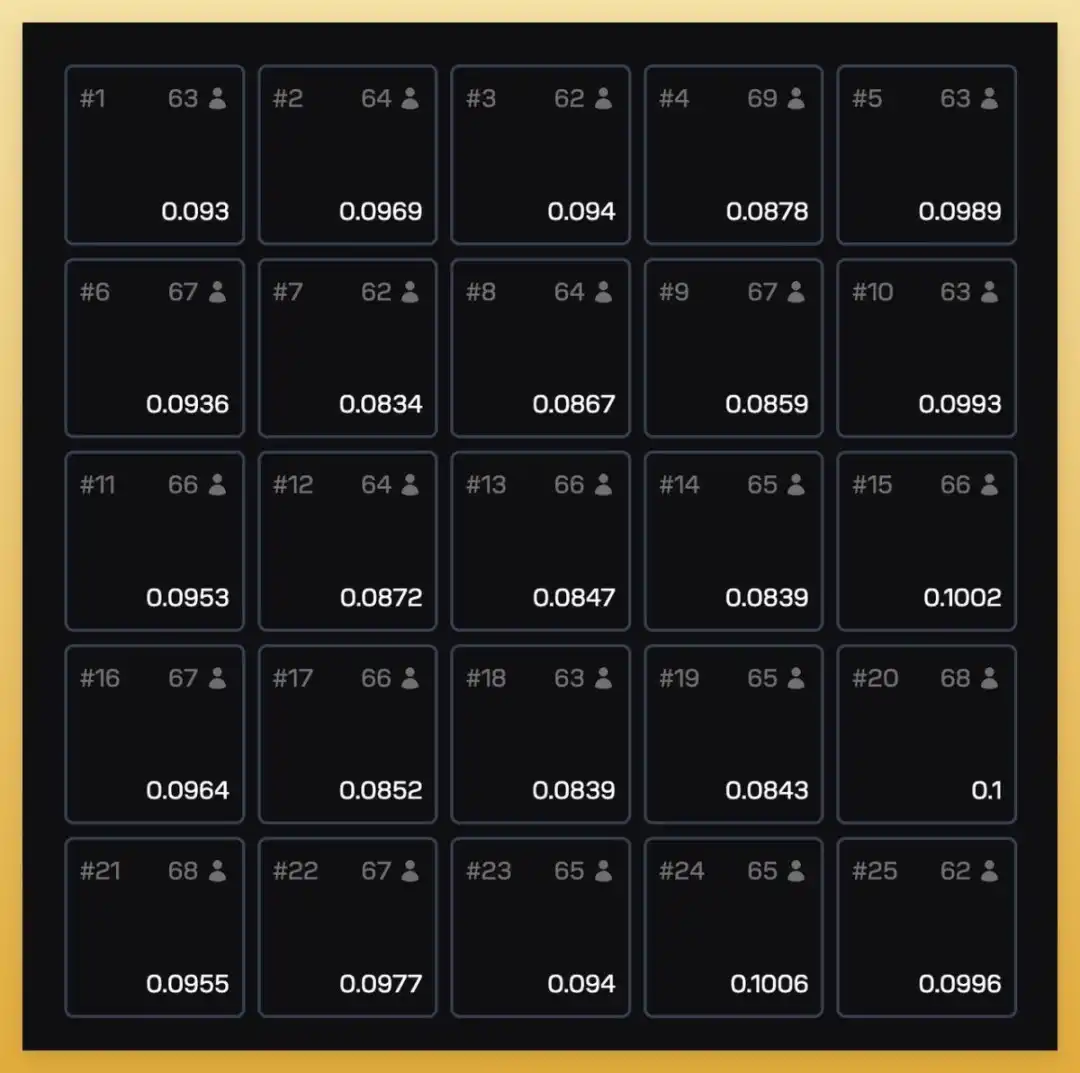
The new protocol introduces a 5x5 grid mining system. Each round lasts one minute, during which miners occupy blocks on the grid by deploying SOL. At the end of each round, a winning block is selected by the system through a secure random number generator. The miners on this block proportionally share all SOL from the other 24 blocks. Additionally, one miner on the winning block has the opportunity to receive an additional 1 ORE reward (approximately once every three rounds). This design transforms the 'zero-sum game' into 'collective value redistribution,' where the losing miners' SOL flows entirely to the winners, preventing value outflow.
The protocol also features a 'Motherlode' pool mechanism, where 0.2 ORE is contributed to the pool each round, with a 1:625 chance of triggering the pool. If the reward is not triggered, the pool continues to accumulate until a lucky miner claims it in a future round.
Economic Model: Deflationary Mechanism and Value Accumulation
The core innovation of the ORE protocol lies in its value capture mechanism. All mining rewards incur a 10% 'refining fee' upon withdrawal, with these tokens automatically distributed to miners based on the unredeemed ORE proportion. The longer miners hold the mined ORE, the more they receive.
Moreso, the protocol automatically collects 10% of SOL mining rewards as protocol income, used to buy back ORE tokens from the open market. In the past seven days, the protocol income amounted to 21,529 SOL (approximately $3.6 million), driving a buyback of 10,381 ORE tokens. 90% of the repurchased tokens are permanently 'buried,' while the remaining 10% is allocated to stakers.
This design allows for the net issuance of ORE to dynamically adjust between deflation and inflation. When the protocol income is substantial, the entire system enters a deflationary state.
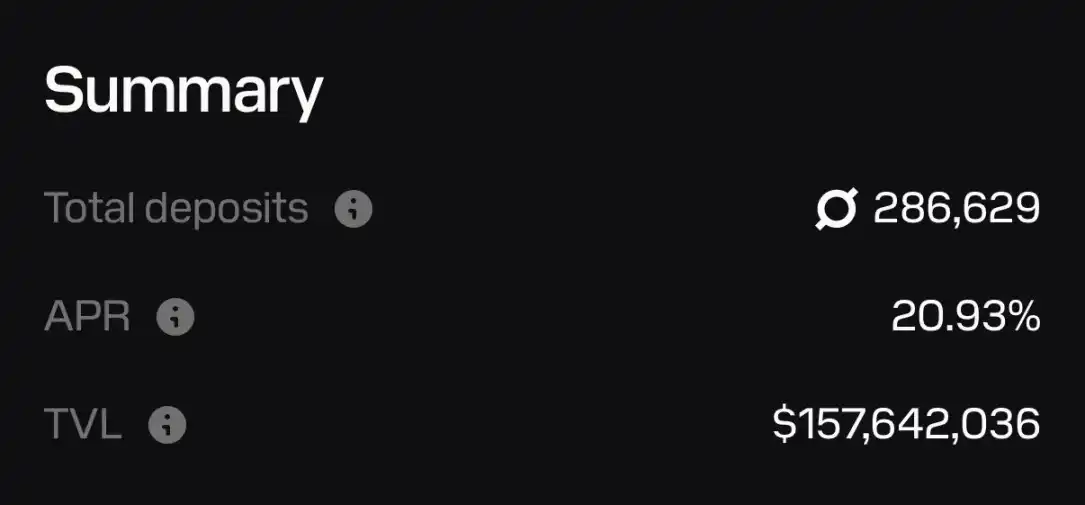
Currently, the protocol has a total of 286,629 ORE staked, with a TVL exceeding $150 million and an APR of 20.93%.
Tokenomics
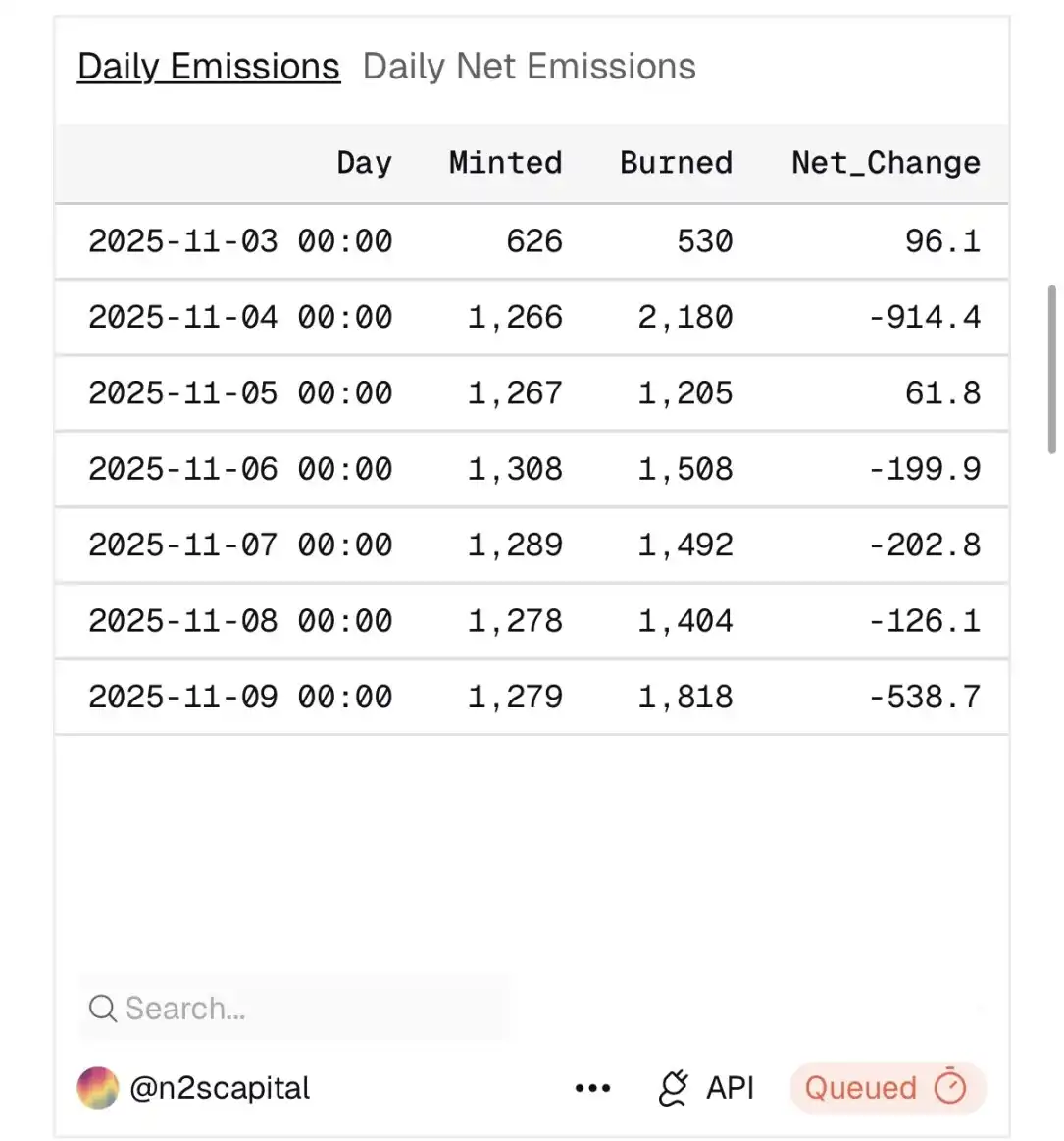
ORE will maintain its existing maximum supply limit of 5 million tokens and a stable average issuance rate of about 1 ORE per minute. However, the introduction of protocol income and automatic burial mechanisms implies that if the protocol income is significant, the net issuance may fluctuate between limited inflation and unlimited deflation. According to Dune data, five out of the past seven days saw ORE in a deflationary state.
errorYou may also like

The New Yorker in-depth investigation interpretation: Why do OpenAI insiders consider Altman untrustworthy?
Two Divided Worlds: Insights from the New York Digital Asset Summit, the Most Institutionalized Blockchain Conference

Top Ten Reveals of CZ's New Book: Advance Knowledge of "94", the Inside Story of Huobi's Change of Ownership Made Public for the First Time

Ceasefire Overnight Erases War Premium, Three Fault Lines Only One Sealed | Rewire News Morning Brief

Robinhood Secures 'Trump Account': Enabling Millions of Newborns to Access the Stock Market

Afraid to Open the Pandora's Box? Anthropic's Most Powerful Model Ever Dares Not Be Disclosed

US-Iran Ceasefire: A Temporary Pause or Prelude to Renewed Conflict? Market Outlook for Oil, Gold, and Bitcoin
April 8, 2026 – A temporary ceasefire between the U.S. and Iran has provided some immediate relief to the global markets, but the fundamental question remains: Will the cessation of hostilities hold, or is this merely a brief reprieve before a resumption of conflict? As the situation unfolds, market observers are closely monitoring how key assets like oil, gold, and Bitcoin will react in the coming weeks. This article explores whether the ceasefire is a sign of lasting peace, assesses the short-term market implications, and delves into the evolving role of Bitcoin in the global financial landscape.

WEEX Market Update: U.S.-Iran Ceasefire Sparks Bitcoin Price Surge
April 8, 2026 – In a significant shift in global geopolitics, U.S. President Donald Trump has announced a temporary two-week ceasefire with Iran, resulting in a notable market reaction across various asset classes. This development comes after discussions between Trump, Pakistani Prime Minister Shahbaz Sharif, and Army Chief General Asim Munir. The announcement is already reverberating through markets, particularly in oil, gold, and cryptocurrencies.
Morning Report | South Korean financial institutions pilot stablecoin payments for foreign users; Morgan Stanley Bitcoin ETF is about to be listed; CME plans to launch AVAX and SUI futures contracts

EigenCloud Founder: AI and Cryptocurrency are Creating the Next Trillion-Dollar Asset Class
From Panic to Pumps: How Bitcoin Traders Are Playing the 2-Week US-Iran Ceasefire
For most people, the two-week US-Iran ceasefire is about geopolitics, oil prices, and whether World War III gets postponed. But for crypto traders glued to their screens late Sunday night, it was something else entirely: the clearest risk-on signal in months.

US-Iran Ceasefire Triggers Oil Plunge, Bitcoin Surge, and Gold Rally
Despite the sharp rally, caution is warranted. The $70,000–$72,000 zone has historically been strong resistance. The ceasefire is only temporary (two weeks), and any breakdown in negotiations could trigger a sell-off toward the $62,000–$65,000 support zone. For now, Bitcoin needs to close decisively above $72,500 to confirm a true breakout; failure to do so within 48–72 hours could lead to a swift retracement.

OpenAI has no "New Deal," a blueprint for AI that refuses to pay.

Wall Street Flash Mob Run? Mega-Cap Stock Plunge, Goldman's Great Escape, Illustrated Guide to Private Credit Crisis

OpenAI Feud: Power, Trust, and the Uncontrollable Boundaries of AGI
「AI Doomsday Cult」 Sends Operatives into the Strait of Hormuz: What Did They Find?
Everyone is waiting for the war to end, but is the oil price signaling a prolonged conflict?


 App
App